
 58 reviews
How exactly can we help you:
Outcomes of Managed Teams Service

Hello 👋 I’m Maria, Head of Recruitment
Let me know if you have any questions about the Managed Teams Service.
How does Managed Teams Service work?


Why clients choose us?
01
Accelerated Development
02
Highest Rated in the Industry
03
Unmatched Talent Access
5.0 stars on Clutch and GoodFirms, based on 58 reviews
unicrew successfully found a candidate for us. The team also provided a good service around the onboarding process and the contract. Overall, the services were very good. unicrew had effective solutions when problems arose. It was a pleasant experience working together. unicrew met deadlines and stayed on budget. They responded very quickly, and their communication was excellent.
Internal stakeholders are impressed by unicrew’s client-oriented work ethic. Despite being remote, they foster a seamless collaboration by communicating frequently and providing a reliable lead developer to act as a liaison. The team deploys the Agile methodology and stays within cost estimates.
unicrew has taken a large burden off of internal resources by taking on all development tasks. End clients are thrilled with the accuracy of the features once delivered. With deep executive involvement and a commitment to identifying and following through on client goals, they are a focused team.
Our Case Studies
Our Case Studies

 Germany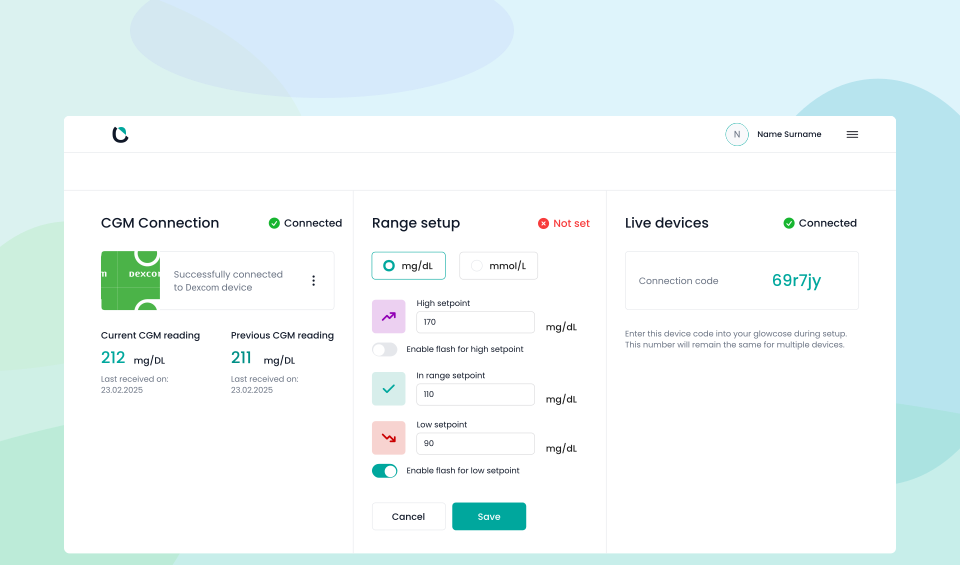
 USA
USA 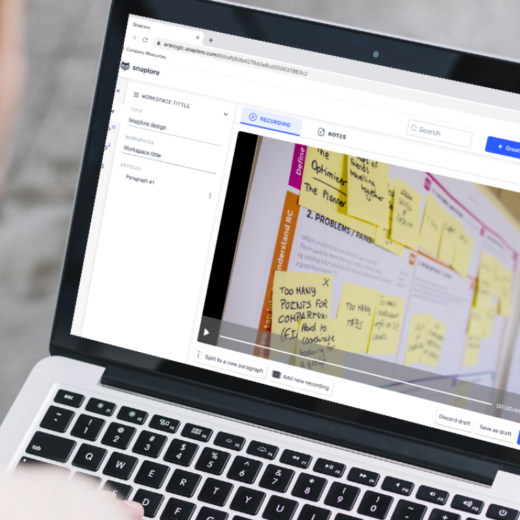
 Ukraine
 Asia
Asia More about Staff Augmentation with unicrew
A Managed Team is a set of skilled professionals who work remotely and are managed by an outsourced team manager on the client’s side. The Managed Team has specific skills tailored to the client’s needs and works exclusively for the client’s projects. This model provides clients with greater control while keeping costs low. Learn more about the differences between Managed Delivery and Team Extension.
Working with a Managed Team offers several benefits, including:
Maximum Control
The client has full control over project management, timelines, and deliverables.
Cost Control
Managed Teams provide a cost-efficient way to manage software development projects without the overhead of hiring an in-house team.
Scalability
Managed Teams can be scaled according to the project’s needs, allowing businesses to remain flexible as they expand or change course.
Structured Communication
Managed Teams have regular meetings and communication channels to maintain a seamless workflow and project goals.
Team Lead / Project Manager
The Team Lead or Project Manager oversees the entire project, ensuring that it meets deadlines, stays within budget, and fulfills the client’s requirements. They coordinate between the client and the development team, manage workflows, and solve any issues that arise during the project.
Front-End Developer
The Front-End Developer is responsible for designing and implementing the user interface. They ensure that the visual aspects of the application are user-friendly, responsive, and visually appealing, working with technologies like HTML, CSS, and JavaScript.
Back-End Developer
The Back-End Developer handles the server-side logic, database interactions, and integration of various services. They ensure the application is robust, scalable, and secure, working with technologies like Node.js, Python, Java, or .NET.
Full-Stack Developer
The Full-Stack Developer is proficient in both front-end and back-end development. They have a versatile skill set that allows them to work on all aspects of the project, ensuring seamless integration between the client-side and server-side components.
UX/UI Designer
The UX/UI Designer focuses on the user experience and interface design. They create wireframes, mockups, and prototypes to ensure the product is intuitive and engaging, enhancing overall user satisfaction.
Quality Assurance (QA) Engineer
The QA Engineer tests the application to identify bugs, usability issues, and performance bottlenecks. Before release, they ensure that the final product is high-quality and meets the specified requirements.
DevOps Engineer
The DevOps Engineer bridges the gap between development and operations. They automate workflows, manage infrastructure, and ensure continuous integration and deployment (CI/CD) practices are in place for efficient and reliable software delivery.
Business Analyst
The Business Analyst gathers and analyzes stakeholders’ requirements, translates them into technical specifications, and ensures that the development team understands the business goals. They play a crucial role in aligning the project outcomes with business objectives.